


Perimenopause—the transitional stage leading up to menopause—typically begins in a woman’s 40s but can start as early as the mid-30s. While it is widely associated with changes in menstrual cycles and mood fluctuations, one of its most visible effects is on the skin. As estrogen and progesterone levels gradually decline, the skin undergoes noticeable transformations that impact texture, elasticity, hydration, and overall appearance. Understanding these changes is essential for maintaining skin health during this stage of life.
1. Declining Estrogen and Collagen Loss
Estrogen plays a crucial role in collagen production, which provides structural support and firmness to the skin. During perimenopause, declining estrogen levels can lead to a reduction of up to 30% of collagen in the first five years after menopause. This loss contributes to sagging, fine lines, and a decrease in skin plumpness.
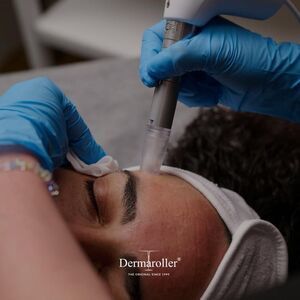
Expert tip: Incorporating professional collagen-boosting treatments—such as microneedling, radiofrequency, or biostimulatory injectables—combined with collagen-supportive skincare (like peptides and retinol) can help slow this process.
2. Thinning Skin and Reduced Elasticity
As the dermis thins, skin becomes more fragile and less elastic. This often leads to increased visibility of blood vessels, more pronounced wrinkles, and slower healing.
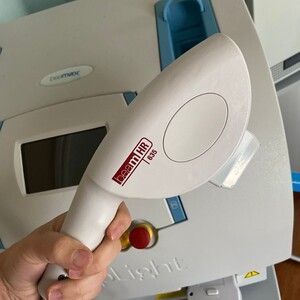
Expert tip: Regular use of antioxidant-rich serums (vitamin C, marine extracts, and polyphenols) can help protect skin from oxidative stress, while professional treatments like laser resurfacing and advanced facials can restore resilience.
3. Dryness and Dehydration
Estrogen helps regulate sebum (oil) production. As levels decrease, skin tends to become drier, itchier, and more prone to sensitivity. Clients often describe their skin as “tight” or “thirsty.”
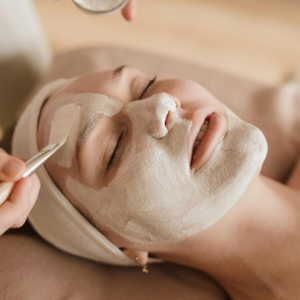
Expert tip: Hydration should become a central focus. Look for hyaluronic acid, ceramides, and marine-based hydration complexes in daily routines. In-spa treatments such as hydrating facials and skin barrier–repair therapies offer immediate relief and long-term support.
4. Increased Sensitivity and Redness
Hormonal fluctuations may trigger inflammation, leading to rosacea-like symptoms, redness, or flare-ups of skin conditions that were previously well-controlled.
Expert tip: Switch to gentler cleansers, avoid over-exfoliation, and seek out soothing formulations with ingredients like niacinamide, marine algae, or moor extracts that calm the skin.
5. Changes in Pigmentation
Perimenopause can also bring about uneven pigmentation. Sunspots and melasma may appear more prominent due to cumulative sun damage combined with hormonal shifts.
Expert tip: Daily SPF is non-negotiable. Brightening treatments with marine-based actives, vitamin C, and exfoliating acids (used cautiously) can help, alongside professional solutions such as chemical peels or photofacials.
6. Breakouts in Midlife
Many women are surprised to experience acne during perimenopause. Hormonal imbalance can increase androgens relative to estrogen, leading to breakouts along the jawline and chin.
Expert tip: Avoid harsh, drying acne treatments designed for teens. Instead, focus on balancing the skin with gentle exfoliants (like lactic acid), targeted blemish correctors, and professional guidance.
7. Emotional and Lifestyle Impacts
Perimenopause is not only a physical transition but also an emotional one. Stress, poor sleep, and lifestyle habits often amplify skin concerns. The skin, as our largest organ, reflects both internal balance and external care.
Expert tip: A holistic approach—combining professional treatments, at-home routines, nutrition, and stress management—can dramatically improve both skin health and overall well-being.
Final Thoughts
Perimenopause is a natural stage of life, not a problem to be fixed but a transition to be supported. With expert care, tailored skincare, and professional treatments, women can navigate this time with confidence, preserving their skin’s vitality and radiance.
At this stage, skincare should shift from being purely corrective to being both protective and restorative, focusing on barrier strength, hydration, and collagen support. When guided by a trusted skin professional, perimenopausal women can continue to feel beautiful in their skin—inside and out.